Essence Film Fest 2025 Exclusive: Director Emmai Alaquiva talks ‘The Ebony Canal: A Story of Black Infant Mortality’ documentary
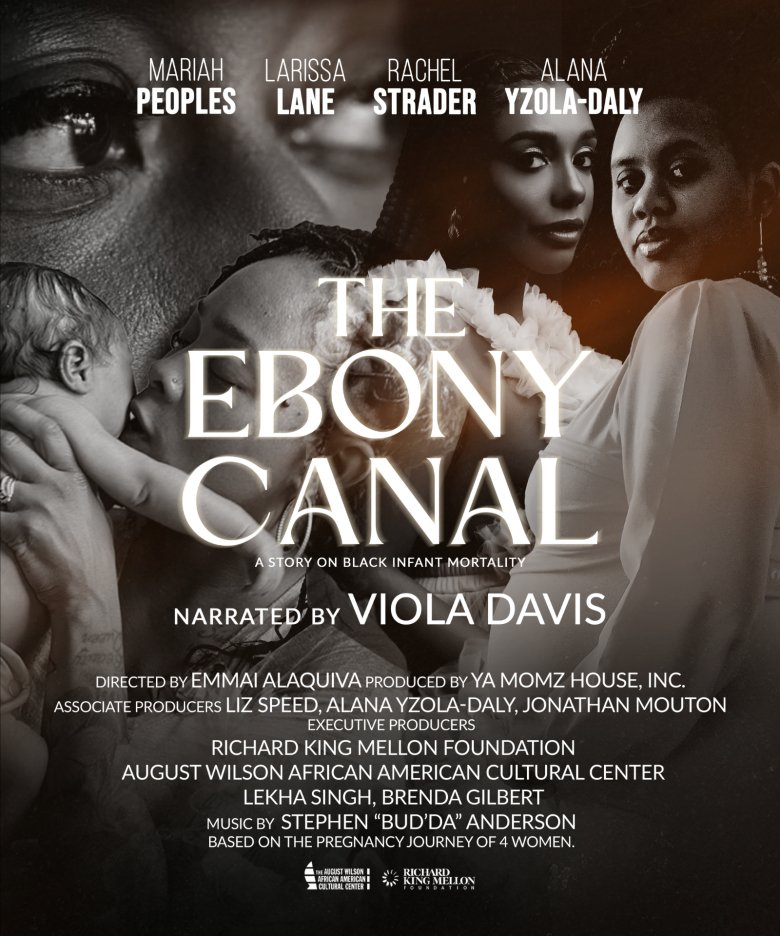
Among the projects that played at the 2025 Essence Film Festival (@neworleansandco) was the documentary film ‘The Ebony Canal: A Story of Black Infant Mortality,’ directed by Emmai Alaquiva and narrated by icon Viola Davis.
Update: The film was awarded Best Documentary at the 2025 ESSENCE Film Festival.
The film is a powerful documentary and masterful cinematic poem that explores the disparities of infant mortality for Black and Brown women. From executive producers Brenda Gilbert and Sanjay Rawal, it features insights from Vice-President Kamala Harris, actor-advocate Lamman Rucker and experts like Kimberly Seals Allers. It unveils the hurt, healing, and hope to inspire solution-driven practices to advance maternal health and a focus on saving Black and Brown mothers and their babies.
Emmai Alaquiva is now a four-time Emmy Award-winning film director/photographer for Roc Nation, Daniel Tiger's Neighborhood, CBS Sports Network, Rihanna’s FENTY brand, AMAZON, BMW, The ROOTS and more. Most recently, he was appointed by Governor Josh Shapiro to serve as Vice Chair of the ARTS for the State of Pennsylvania and his philanthropic community impact has been recognized by President Barack Obama.
Blackfilmandtv.com spoke with Alaquiva on the making of The Ebony Canal: A Story of Black Infant Mortality.
What is this film about?
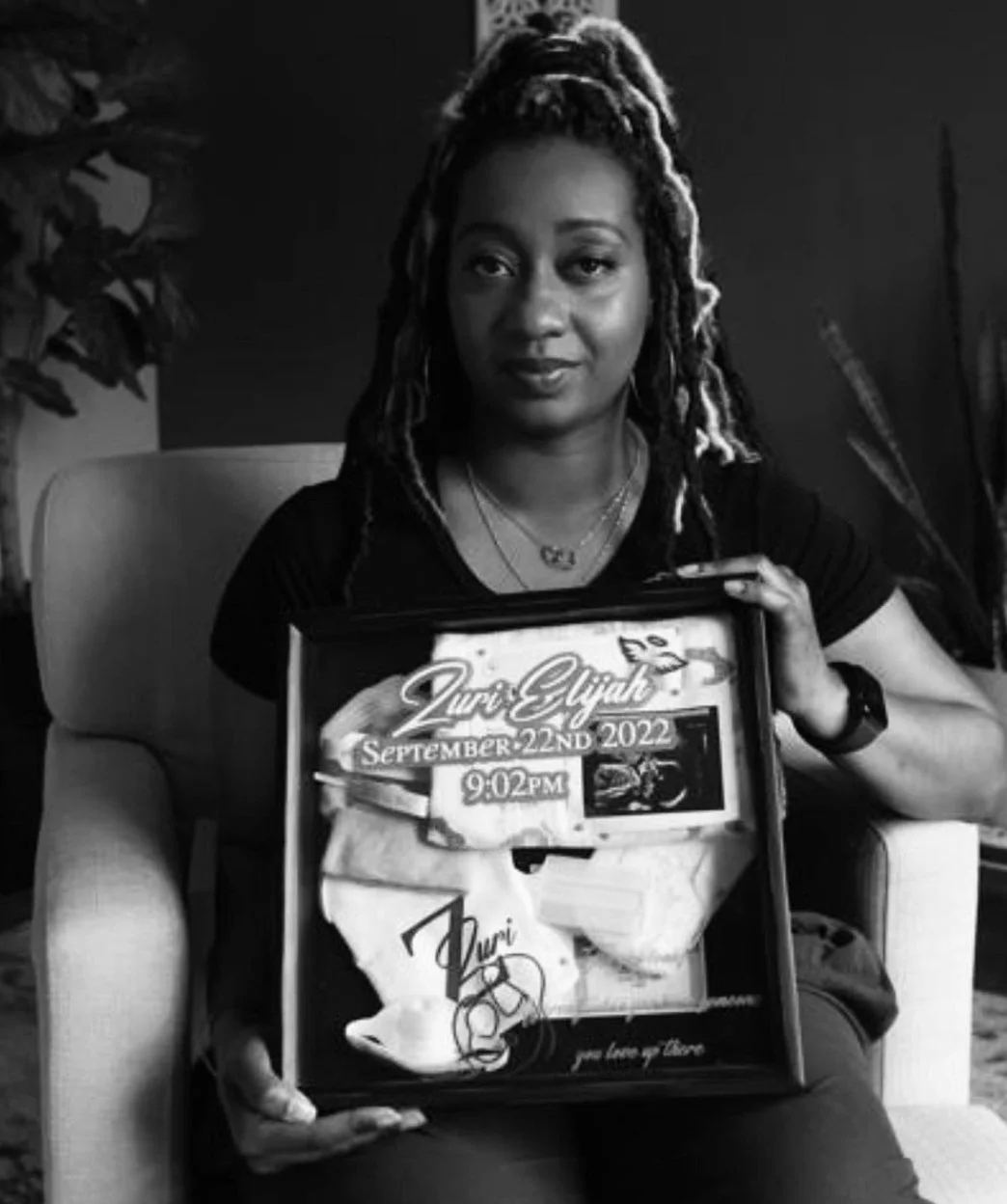
Emmai Alaquiva: This is a feature documentary narrated by Viola Davis. It also has individual expert inputs from Kamala Harris, Dr. Lamar Rucker, Charles Johnson of For Care For Moms, Kimberly Seals Ehlers of Earth Ave, and more. The story is about black and brown infant mortality as well as maternal health. And the story really dives into the history, the hurt, the healing, but also the hope of the disparities that we surround the story with. And we follow four women in their birthing journeys, which is very, very different, but it's also very important that we understand just as America and as a society that black women are dying at three times likely to die during childbirth than their white counterparts, and black babies are two and a half times more likely to die before their very first birthday than their white counterparts. That's a problem in America.
Three women featured in the documentary, Rachel L Strader, Mariah Peoples and Larissa Lane.
What led you to get involved with this?
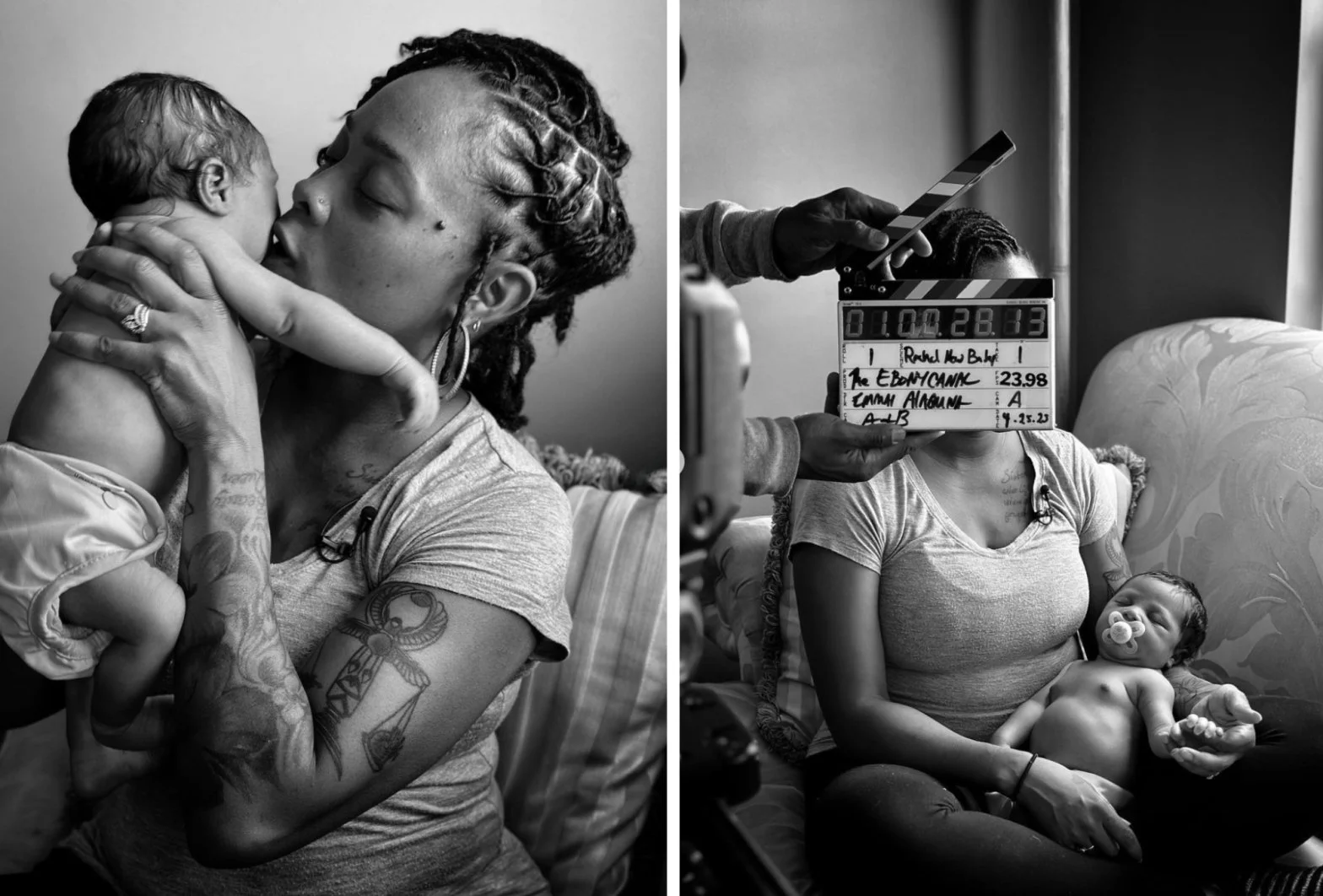
Emmai Alaquiva: With the individual support of the Richard King Mellon Foundation, the August Wilson African American Cultural Center out of Pittsburgh, they really supported and gave us the resources that we need to put together a story over the course of two and a half years. We started filming from conception, the whole entire nine months, all the way up to the child's very first birthday. And it wasn't always great, wasn't always perfect, but to go on a journey so that America see what black women have been going through for centuries, for millennials, if that, underscores that it took all of us to get into this mess. It's gonna take all of us to get out of it.
Usually when people start documentaries, there's never a start to finish plan, especially when you're filming from birth to so forth. Did you know how you wanted to end it?
Emmai Alaquiva: I knew I wanted to end it with a very hopeful feel, right? Despite the hurt and the healing that black and brown women have been through, I wanted to literally allow individuals to watch these babies being birthed. You got to be the devil himself not to be able to have a smile come over your heart when you see a baby celebrates their very first birthday.
There's a certain level of black joy that's associated with that. So I didn't want this film to sort of be like a Black Lives Matter film. We don't want to be doctors up in the alleyway or anything like that. What we want to do is we want to bring all of us into the circle so that we can step out the side of the box to create new innovative ways of solution-driven practices.
How'd you get Viola Davis involved?
Emmai Alaquiva: Viola was shown a trailer that I made that was only three minutes and 43 seconds. When she watched this, she told us that it took over her and it made her drop everything off her schedule and say, “You know what, I want to be a part of this film.” When we were in the studio, she said, “I'm 58 years old. I want to start to focus on legacy and what legacy looks and feels like.” And the fact that she chose the Ebony Canal as something to be a part of her legacy underscores how important the subject is.
Now, a couple of years ago, there was another documentary (Aftershock) similar to this that was co-directed by Paula Eiselt and Tonya Lewis Lee, Spike Lee's wife, and played at Sundance and other festivals. How different is this from that one?
Emmai Alaquiva: Well, this is very different. First of all, the more documentaries there are, the better we're going to get closer to solutions to save more black moms and black babies. What we wanted to do is something totally different from Aftershock. We love Aftershock, but we wanted to tell a different story from that. From the perspective of four women that are giving birth and their whole entire birthing journey, it's never been done in cinema history.
So the fact that we are one of the first documentaries that really captures the essence of that and to top it off with one of the most incredible and one of the most powerful voices of our lifetime with Viola Davis, underscores what we need to do things artistically, politically, emotionally, and spiritually to move this needle forward.
Where do you think the right platform is for this to be shown?
Emmai Alaquiva: I think the right platform for this to be shown is really any platform, but we are right now looking for distribution with a Netflix or Hulu or Amazon Prime, because the more eyes that we have on this particular project, the more we're going to save more black babies and black mothers. They matter too.