Exclusive: Michaela Coel talks David Lowery’s Mother Mary and working with Steven Soderbergh on The Christphers
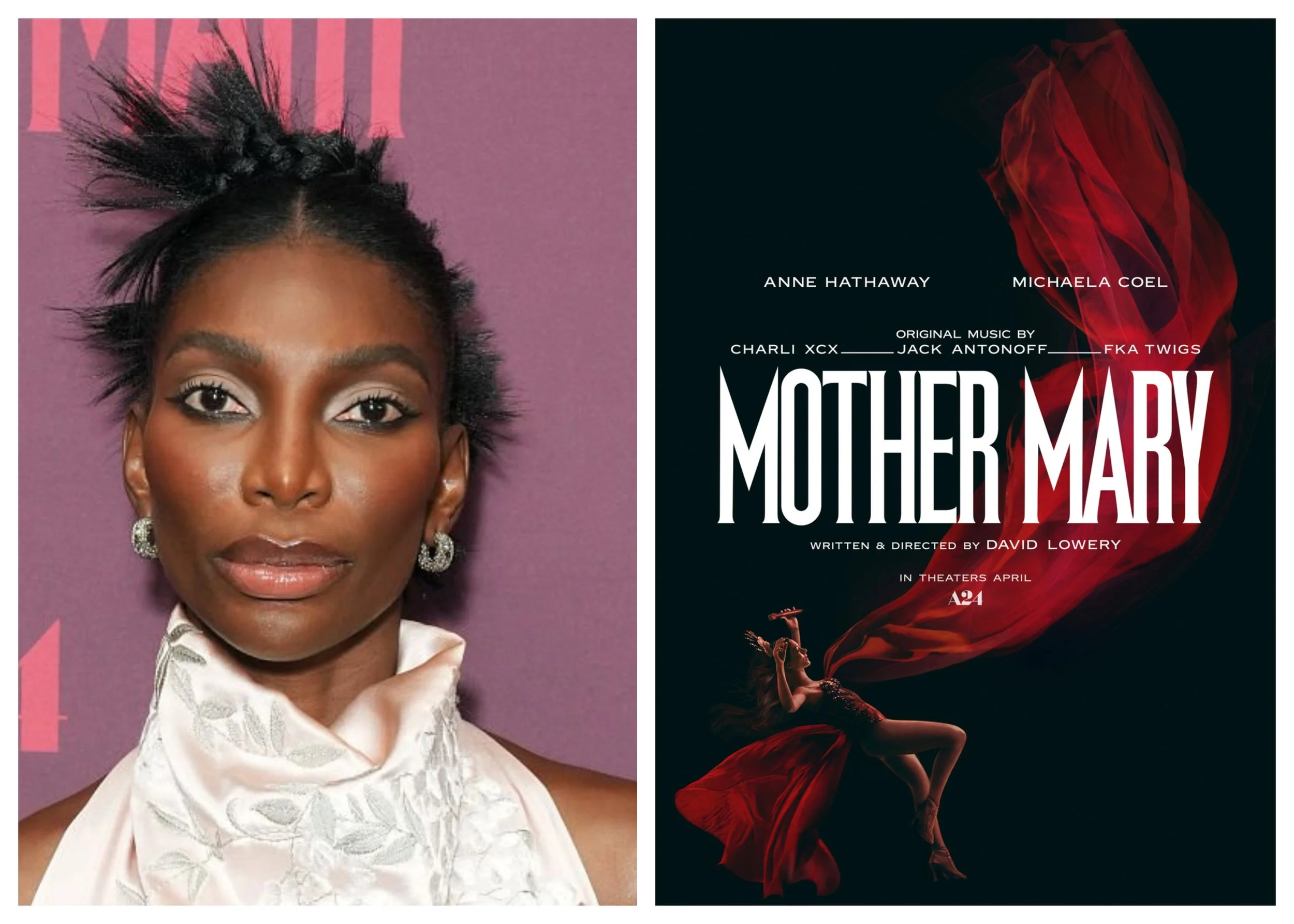
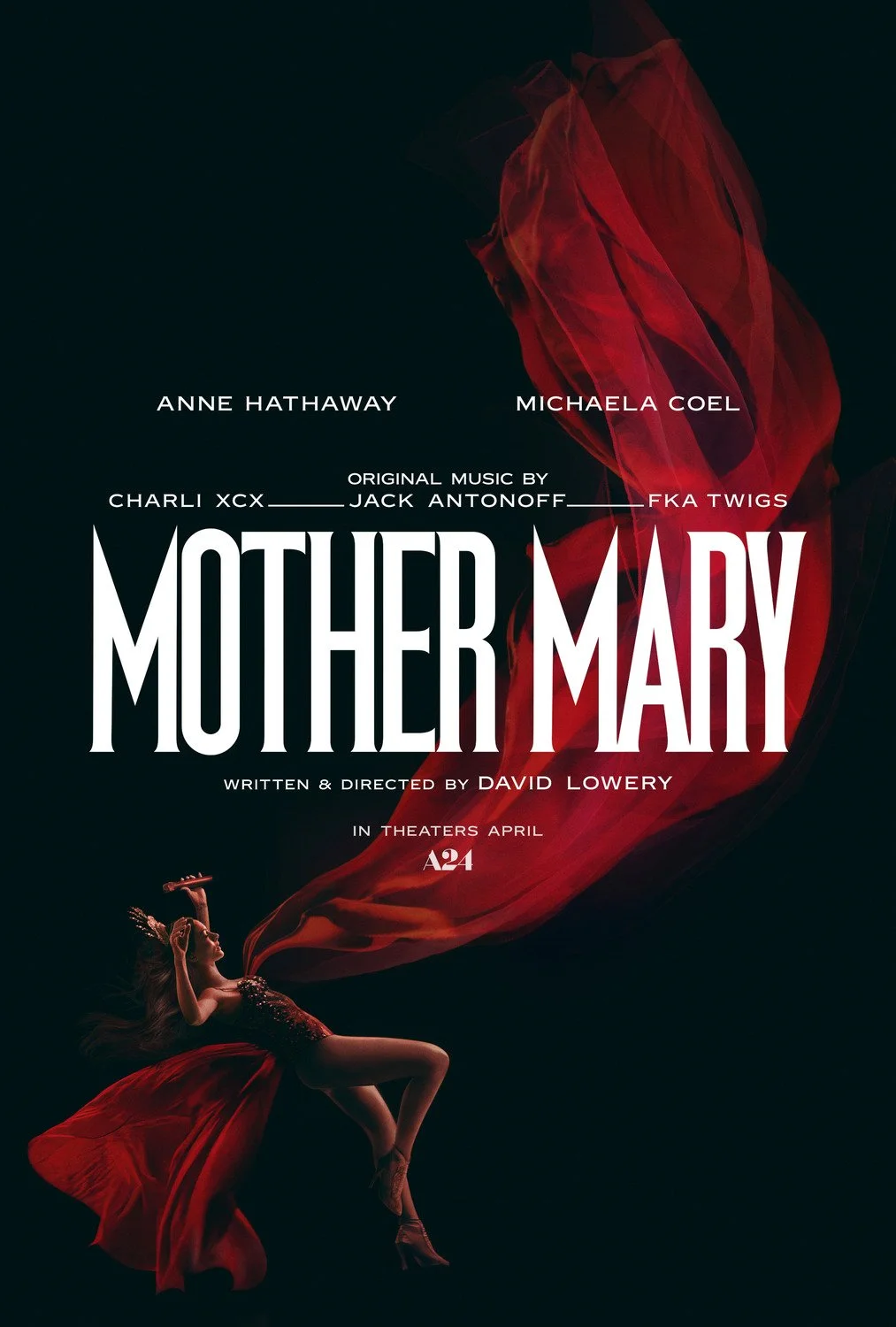
Currently in theaters from A24 is Mother Mary, written and directed by David Lowery and starring Anne Hathaway, Michaela Coel in a film about the relationship between a fictional musician and a famous fashion designer. The cast also includes Hunter Schafer, Atheena Frizzell, Kaia Gerber, Jessica Brown Findlay, Isaura Barbé-Brown, Alba Baptista, Sian Clifford, and FKA Twigs.
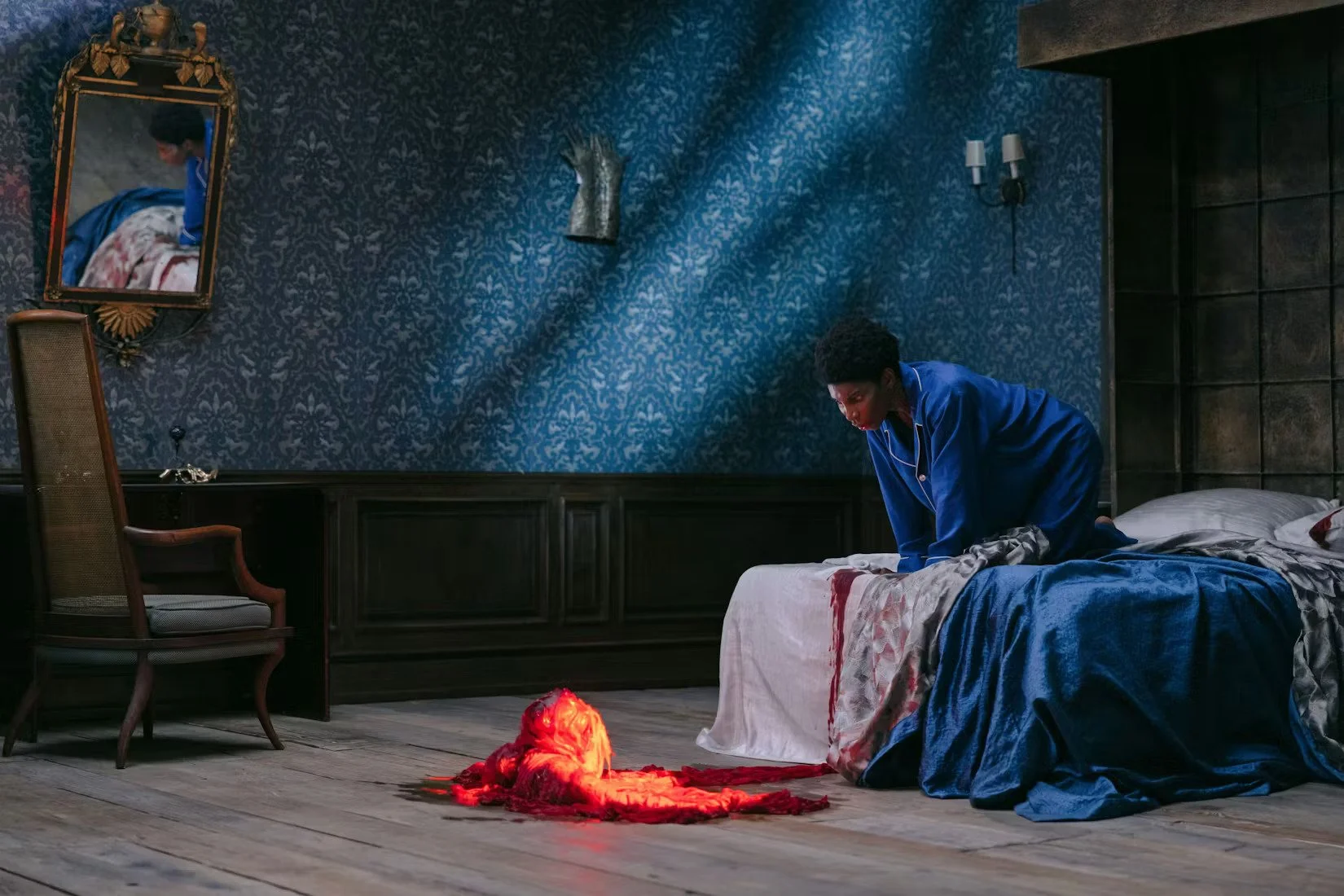
"We have a connection... and I can't explain it." Long-buried wounds rise to the surface when iconic pop star Mother Mary (Anne Hathaway) reunites with her estranged best friend and former costume designer Sam Anselm (Michaela Coel) on the eve of her comeback performance.
For Coel, between this film and the recently released Steven Soderbergh film The Christophers, all is right in the world for the BAFTA and Emmy Award actress, writer and television director. Coel is also currently in production on the A24/HBO/BBC mini-series, First Day on Earth which she wrote, executive produces, co-directs, and stars in. Her other notable works include creating and starring in the TV sitcom Chewing Gum (2015–2017), for which she won the BAFTA Award for Best Female Comedy Performance; and the BBC One / HBO comedy-drama series I May Destroy You (2020), for which she won the British Academy Television Award for Best Actress in 2021. For her work on I May Destroy You, Coel was the first black woman to win the Primetime Emmy Award for Outstanding Writing for a Limited Series, Movie, or Dramatic Special.
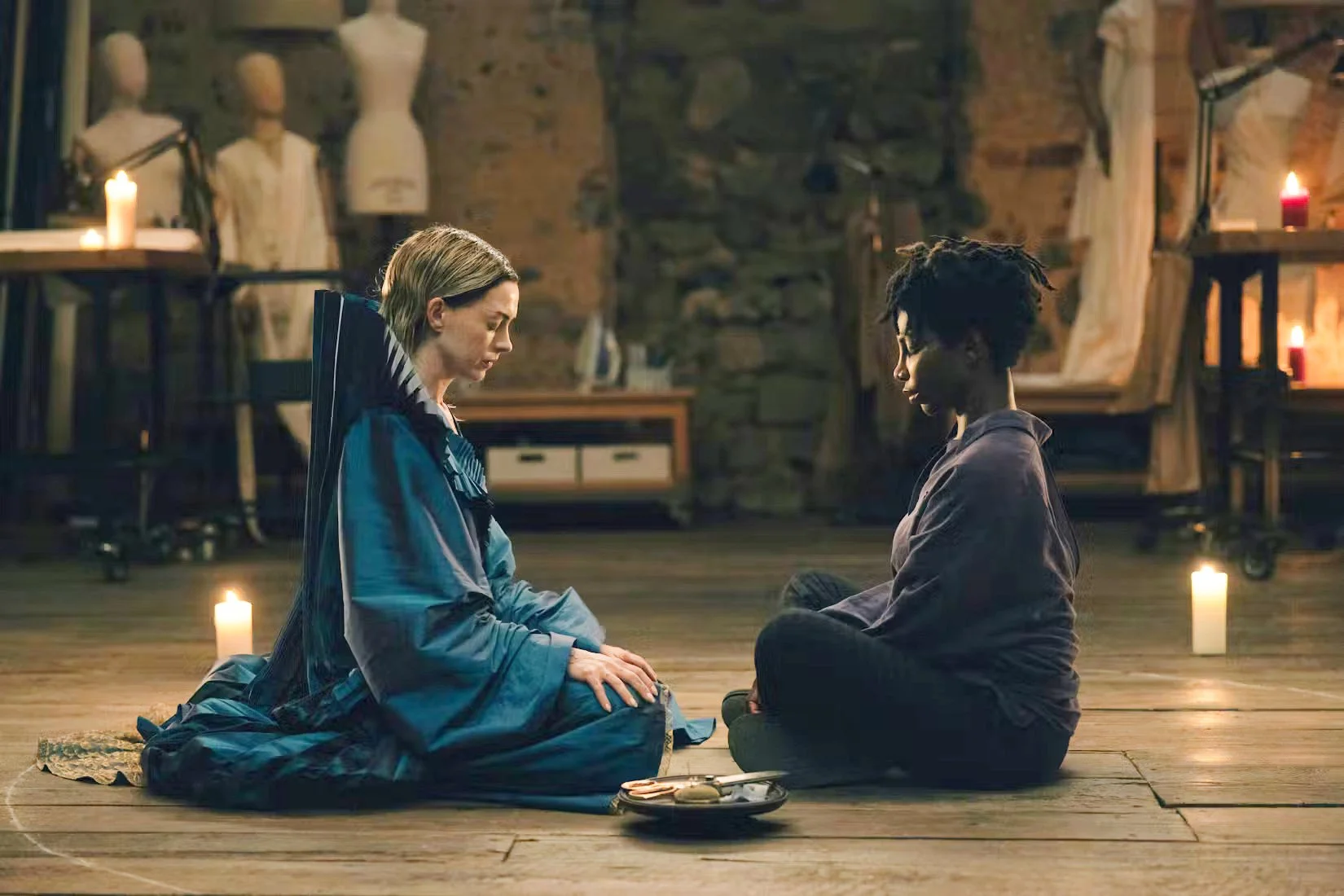
Blackfilmandtv.com spoke to Coel on working with David Lowery and Anne Hathaway on Mother Mary and with Steven Soderbergh on The Christophers.
What went into saying yes to taking you on this road?
Michaela Coel: The script. I read the script in the car. I was in the car with my cousin and I just read I didn't have any information as to really what it was about. Maybe I knew it was about a pop star and fashion designer. Then I got to the last page, which is probably different to what ends up being the last scene in the film. But as I got to the last page, I bursted out crying. I laughed and then I burst out crying. And that's when I knew.
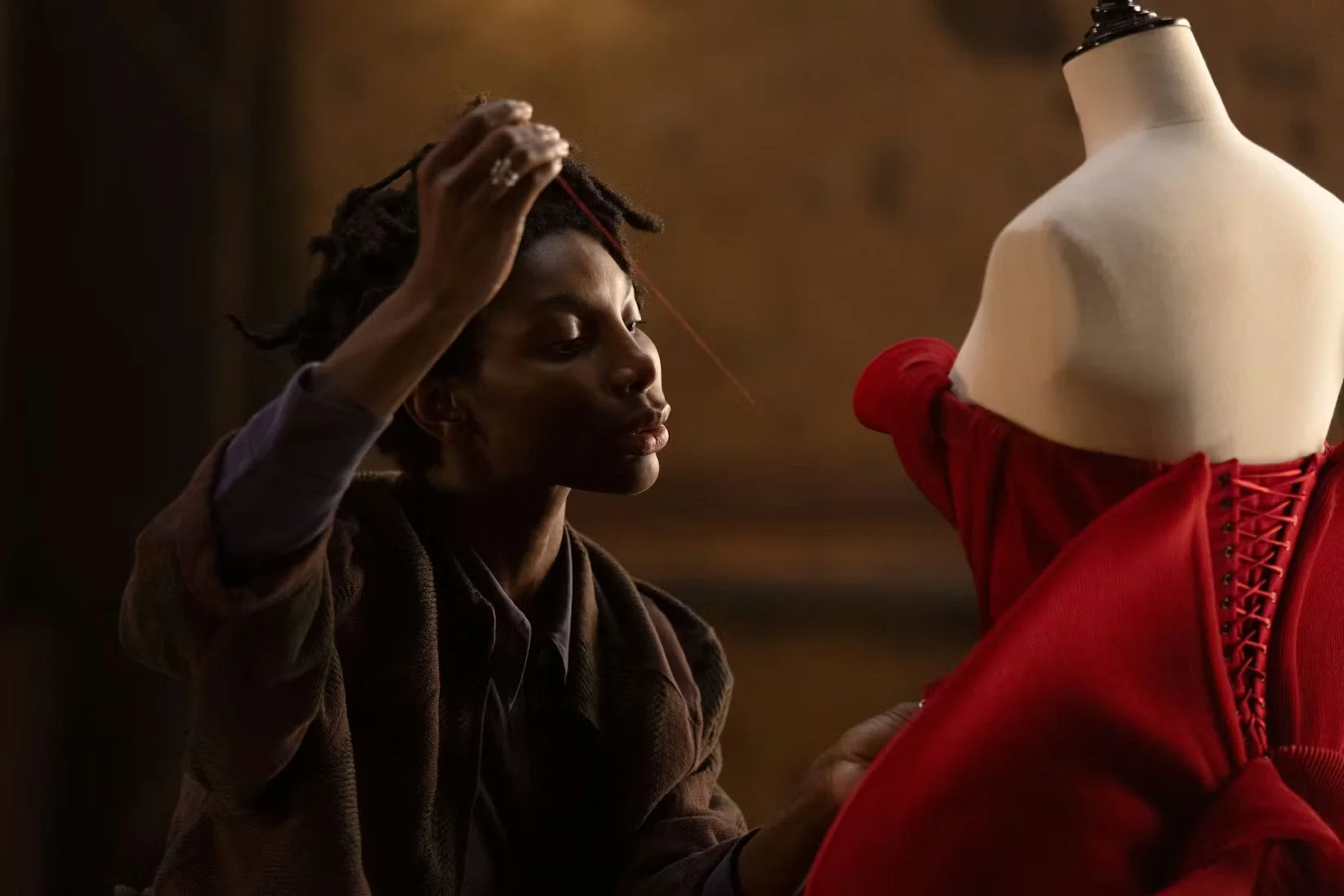
OK, so whether I end up in this film or not, I knew that I needed to meet with the director, writer David Lowery and just like geeked out for a few hours about what it means, what it could mean. And we spoke for hours and I said, what do you think about playing Sam? I said, let's let's think about it. And we thought about it for a couple of weeks and then we both thought, yeah, let's let's do it.
You said you thought about it for a couple of weeks when read the script. Did you know what role it would be for?
Michaela Coel: I wasn't entirely sure what role it would be for, but I knew that Sam's words were more me at that time. Anyway, I loved the language he gave her. I love the humour. She's quite funny. She's quite dry. She's hiding a lot of vulnerabilities. And I loved, you know, when I started thinking about what I would do with a character, it was her. I leaned towards Sam. And so, yeah, I defaulted to her. I wanted it to be Sam. And it was.
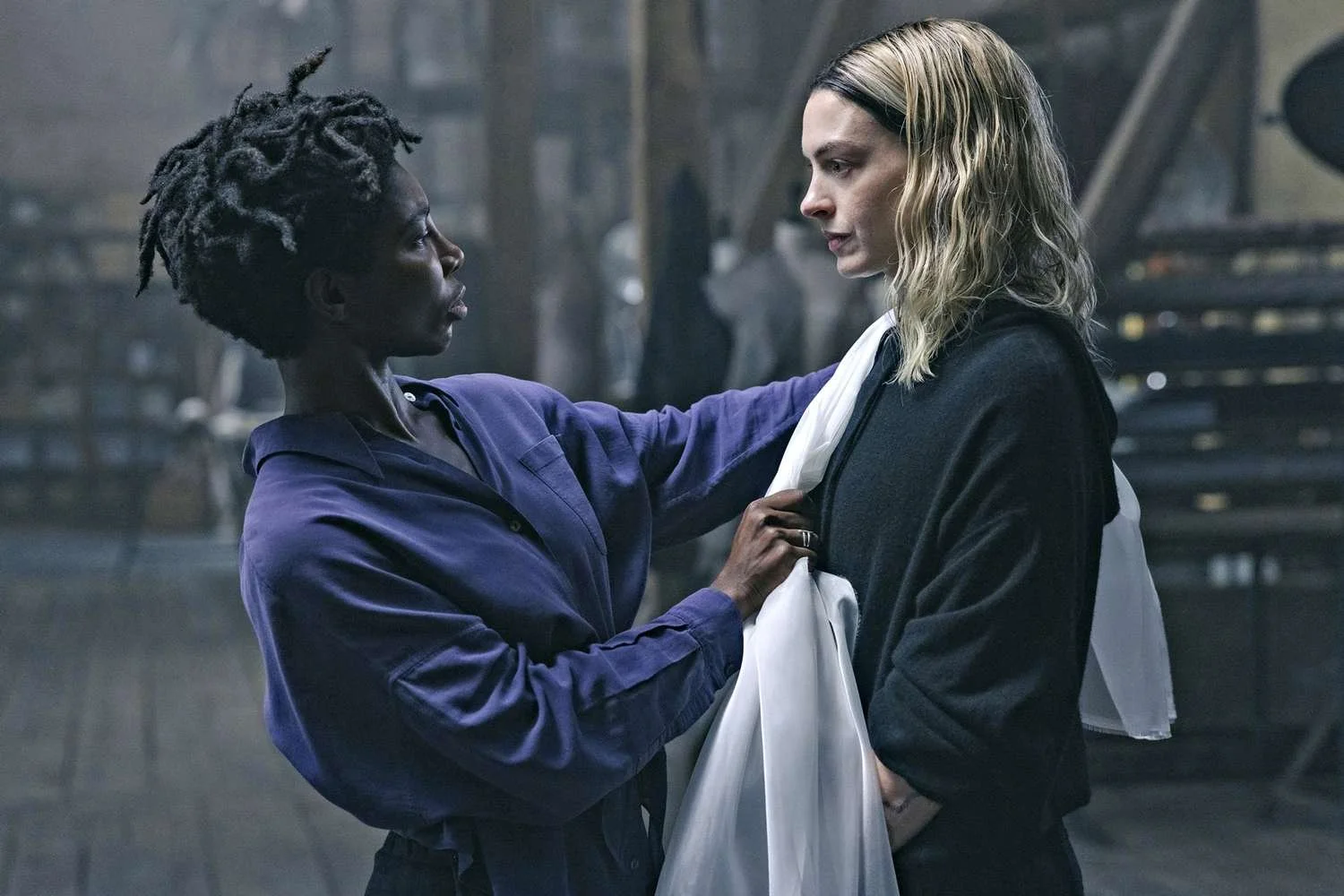
I understand there was no chemistry read between you and Anne prior to this. So what did you guys do to establish that chemistry that way the audience can see that these two characters were friends and collaborators at one point?
Michaela Coel: Once we were both cast, there was just high amounts of chemistry. We were both very open emotionally. And I don't think we needed to foster any more because David's text is so intense and you're catapulted into chemistry and it's not really your choice. It's his work.
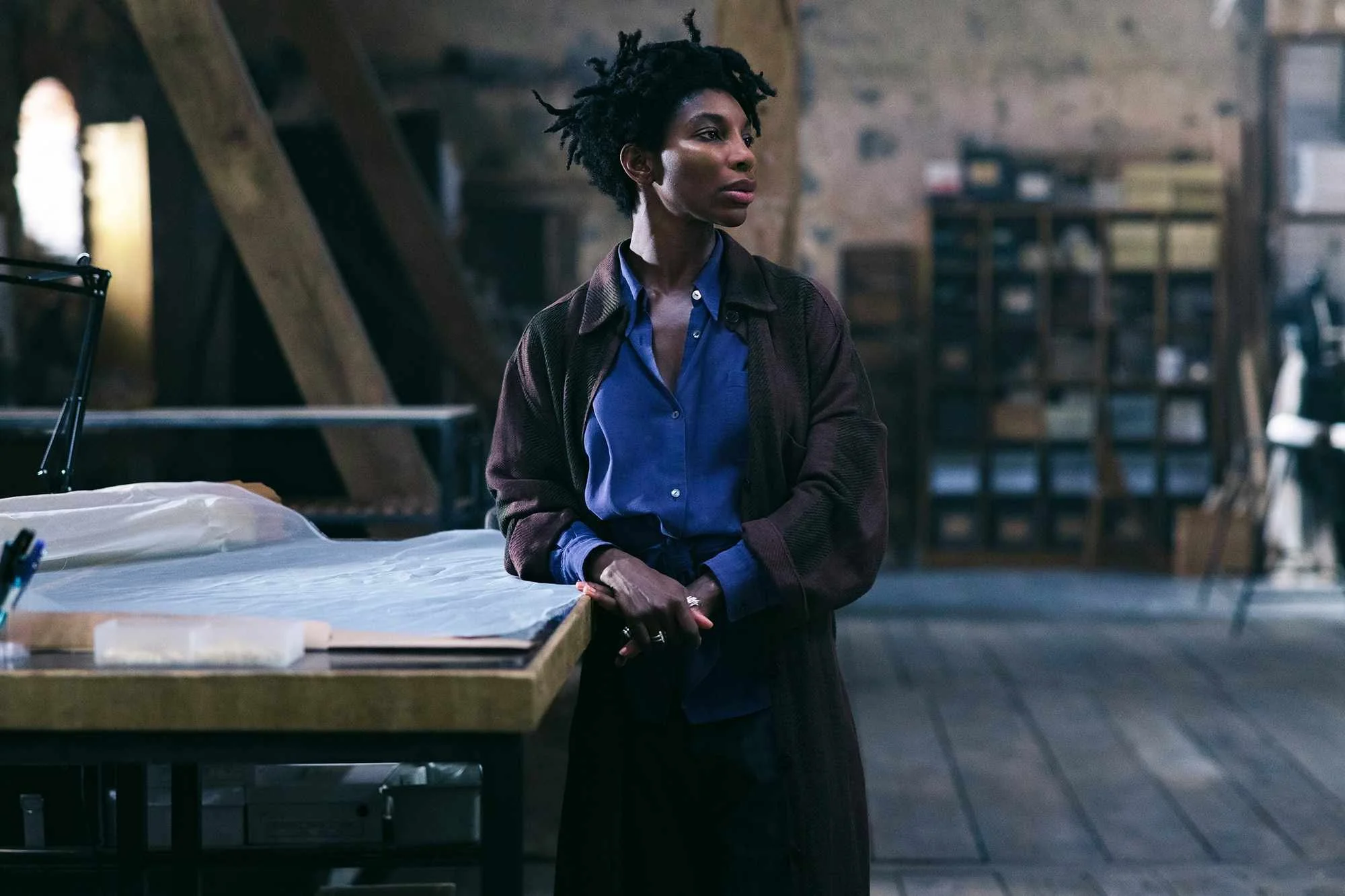
The role of Sam is that she's a costume designer. And what we see today with a lot of pop stars who are that level, their costume designer is one of their inner circles, in terms of knowing their soul to get the right dress. What did you do to get into the mindset of a costume designer that works with an artist such as Mary?
Michaela Coel: I think as a writer, I found a lot of parallels. It's a lot of work behind the scenes. It's a lot of support. I'm writing characters. I've written characters for hundreds of actors when I think about it. And so I approached it with that mentality. Plus, when this movie begins, Sam Anselm has been shut out of the inner circle of Mother Mary for over a decade. She is actually incredibly lonely.
I also think part of the reason, who knows, that's the kind of the mystery of David's script is that there aren't really concrete concrete answers to anything. But part of the reason I think that Sam Anselm struggles to find a place of subordinates in the circle of Mother Mary. She she's a very powerful person and she understands Mother Mary because she's been the longest serving person to the vision, which means and I think this happens with a lot of people who exist within these inner circles of pop stars.
You find the the power dynamic that other people in the inner circle have, which is that the star is the powerful person and we're all just in the circle. The person who's often been long serving finds an equal power balance. And sometimes that isn't comfortable and that creates confusion and it creates unrest. Sometimes that's stressful to be around when she maybe became a little controlling.
One never knows when these movies are going to come out, and you shot Mother Mary two years ago. The Christophers is out now. There was a lot of time between then and you're in production of a new series. What's your takeaway with the two films more recently in terms of working with the directors that may help you out moving forward to your project you're doing now?
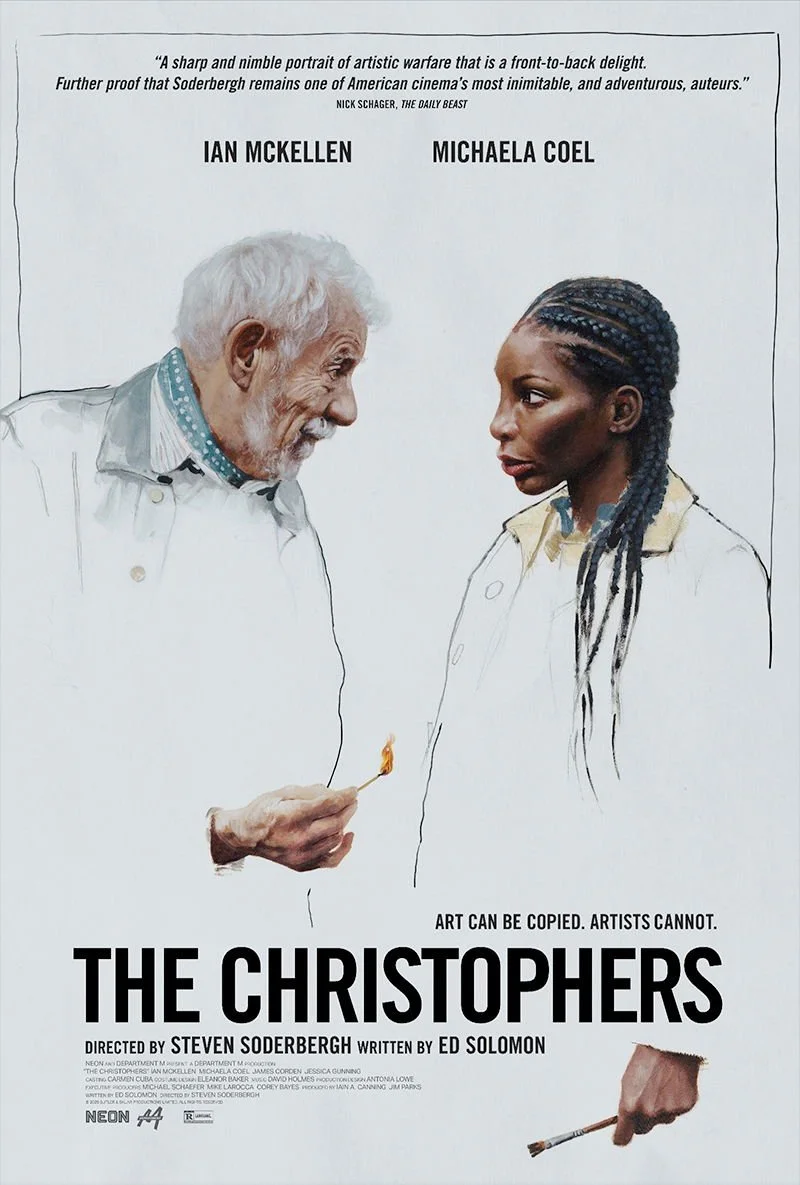
Michaela Coel: I love David and it feels like there's not much distance between you and him. He's very open. He's very sensitive. He's very tender. He's very collaborative. Steven Soderbergh is right there with you. He is on the set. There is something quite aloof about him. And I mean that in not a negative way at all. He's just very chilled. He's relaxed. He has a very clear idea of what he's doing with his film, which means the actor doesn't have to ruminate or think through their performance. There's not a lot of time for that. He's like a one take director, whereas David is like, we're going to shoot this from two million angles and one of these angles is going to be the magic angle.
And so I've taken separate things from both of them. I've taken the fact that actually, Steven is right. Maybe we don't need 10 takes on the same angle. Then maybe what the actor is giving to you is actually exactly what it's supposed to be. And from David, I learned that he's already more like me, I'm very open. You can call me as, H.O.D. or another actor. I'm here with you and you can tell me anything and I'm here. So those are my two takeaways.
When you read the script, you couldn't envision everything else around the film in terms of the production design, the visual effects, or the soundtrack. Once you saw the movie, having read the script early on, what was your feeling after you saw the finished product?
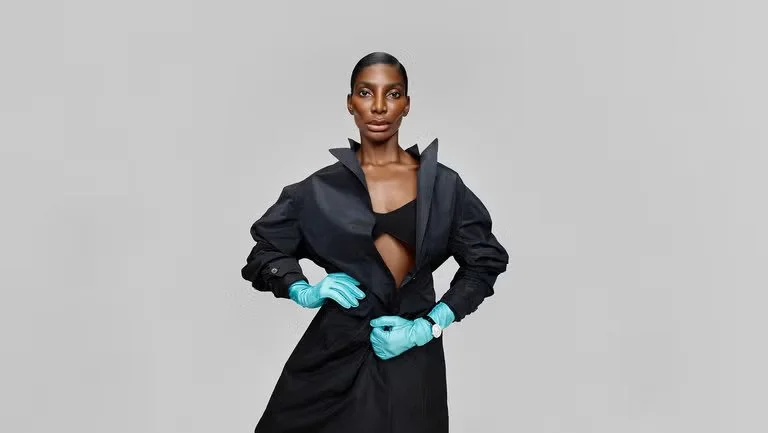
Michaela Coel: Honestly, it really felt like I was reading the script all over again, even though there's been so many changes. There's this kernel of truth that was in the script that was very loud in the finished product. I've seen different versions of this movie along the way. He's very collaborative, as I say, he will show you where he's at. And each time I've just gone, “Oh, wow. Got me.”
What goes into saying yes to projects you want to do, whether it's in front of the screen or behind the screen?
Michaela Coel: It's really hard to tell. I think it's probably got something to do with nowadays, my gut.