The Hunger Games: Sunrise on the Reaping gives the blockbuster franchise its most brutal and unflinching installment. The sixth adaptation of novelist Suzanne Collins takes place 24 years before the original film and serves as a direct sequel to 2023’s The Ballad of Songbirds and Snakes. Director Francis Lawrence returns for the fifth time and continues to deliver superb cinematography and an epic production design. The film looks incredible as innocent children die horrifically in the savage competition. Its biggest drawback being a long runtime and degree of predictability as everyone knows the characters’ fates.
The narrative begins on the 16th birthday of Haymitch Abernathy (Joseph Zada) as we get the backstory of the grizzled and drunken mentor who inspired Katniss Everdeen to overthrow tyranny. Haymitch works for a moonshiner to support his mother (Kara Tointon) and younger brother (Smylie Bradwell). The tall and dashing Haymitch is popular in the impoverished District 12. He makes his booze rounds before meeting the gorgeous Lenore Dove Baird (Whitney Peak) in a grassy meadow. The couple rejoice in young love before Lenore gives Haymitch a token of her affection, which, of course, will play a pivotal part in the upcoming carnage.
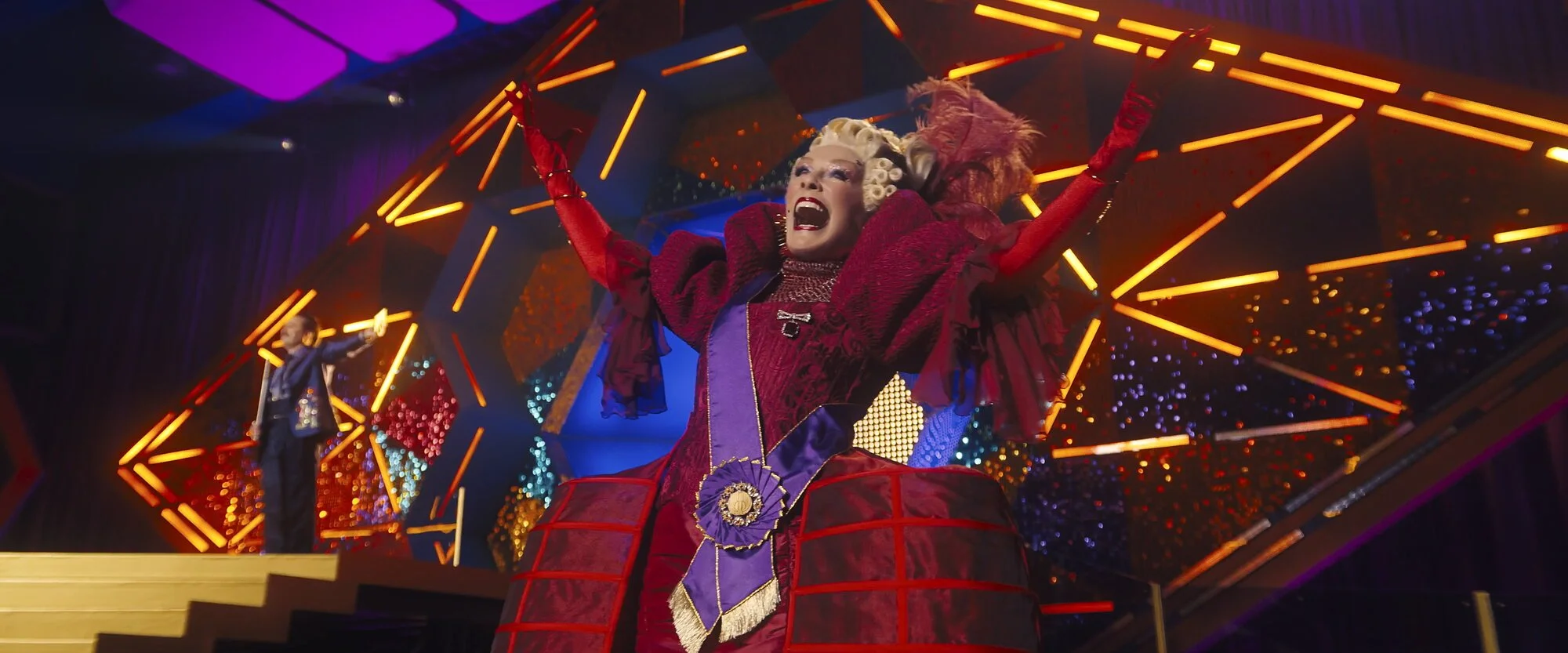
The vile and hideous Drusilla Sickle, magnificently portrayed by a scene-stealing Glenn Close, arrives from the Capitol to choose District 12’s tributes. The 50th anniversary of the Hunger Games, known as the second Quarter Quell, requires four participants instead of the usual two. Haymitch watches nervously as Maysilee Donner (Mckenna Grace), Wyatt Callow (Ben Wang), and a pig-tailed little girl, Louella McCoy (Molly McCann), are chosen by the cruel Drusilla. He breathes a sigh of relief as another teen is chosen, but a murderous incident forces Haymitch to become a tribute after Lenore is threatened.
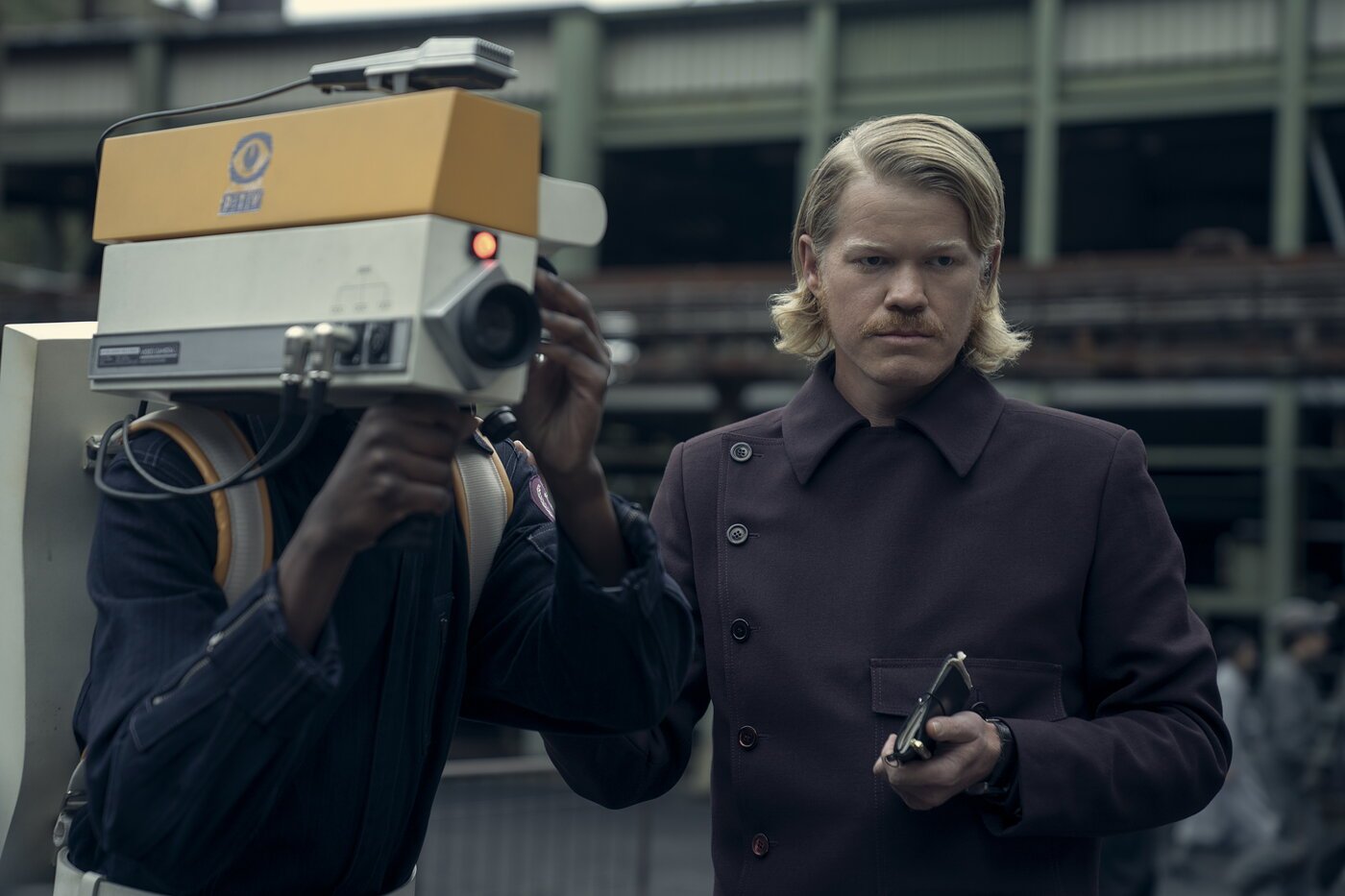
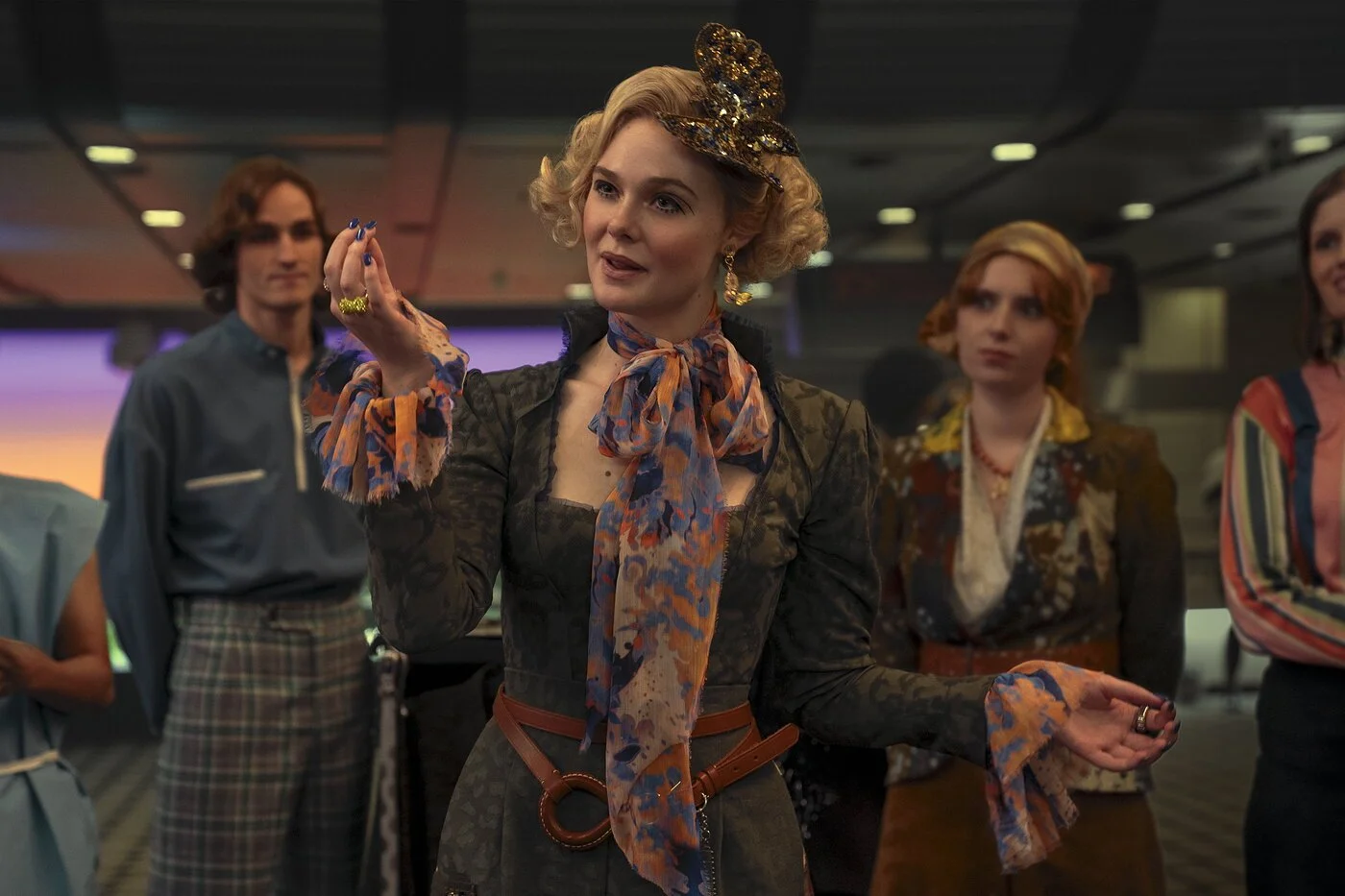
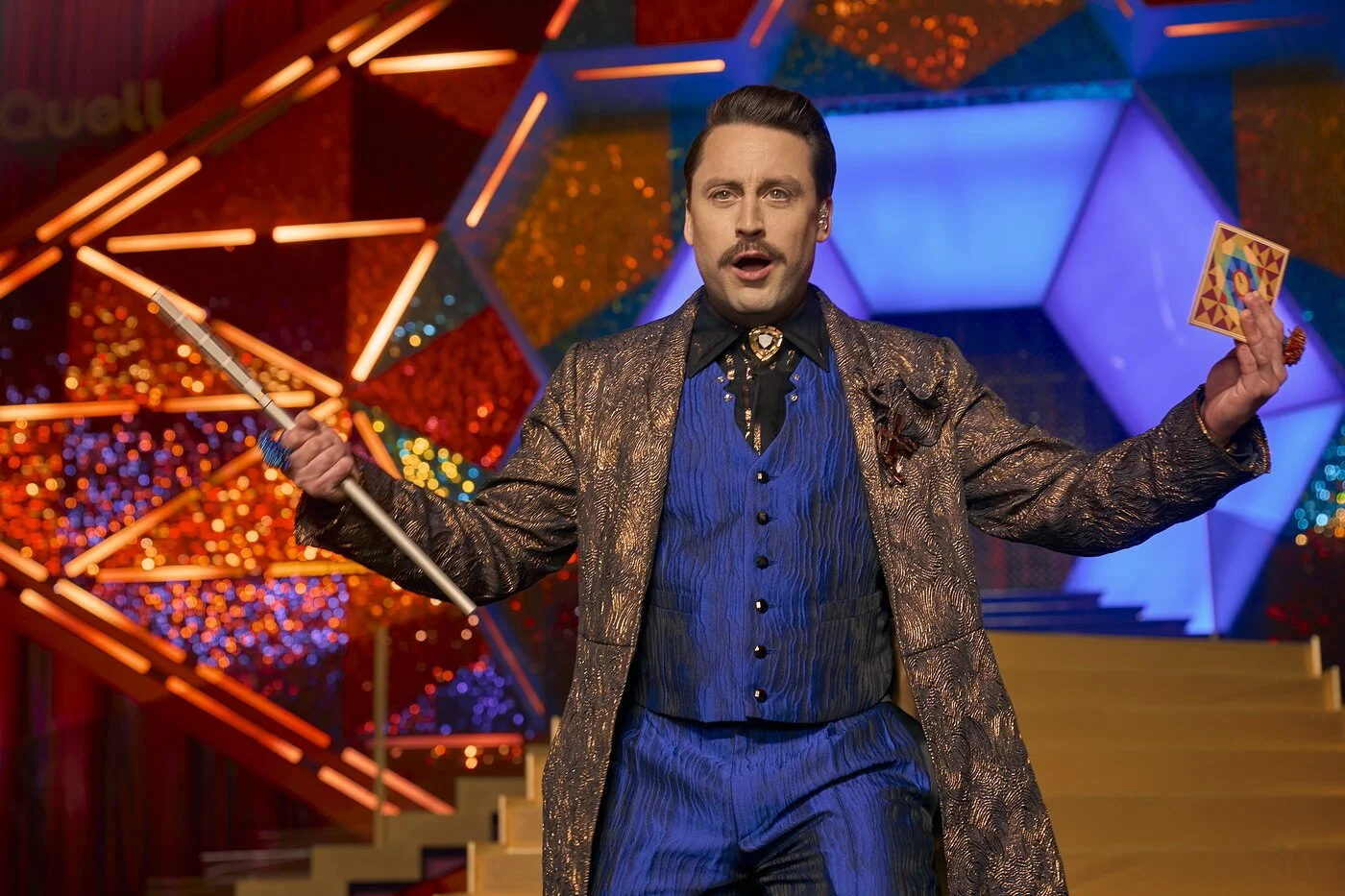
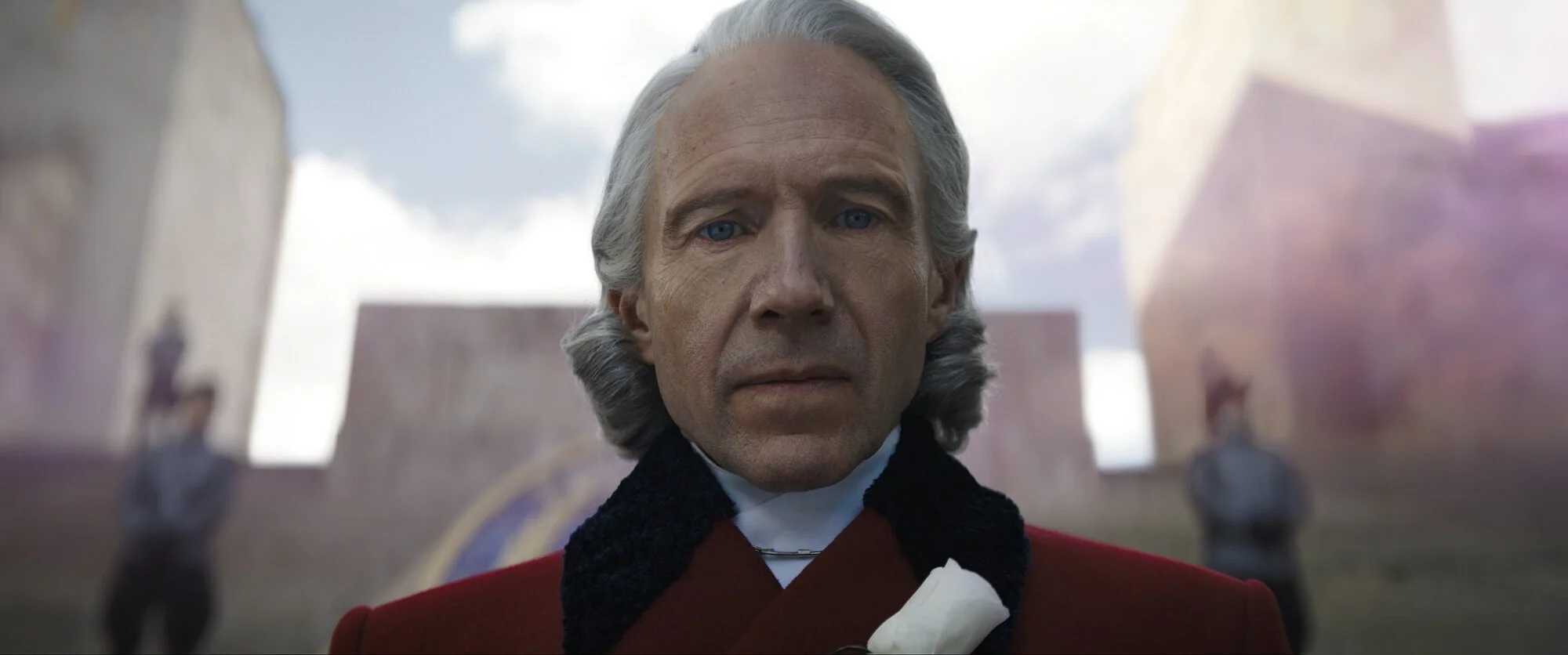
What happens next fills in the gaps for characters that fandom has grown to love and hate. We see younger versions of Plutarch Heavensbee (Jesse Plemons), Effie Trinket (Elle Fanning), Caesar Flickerman (Kieran Culkin), and the villainous dictator Coriolanus Snow (Ralph Fiennes). Haymitch navigates the dangerous pomp and preparation for the games, but further calamities ensue that changes his calculus on how to proceed. He becomes a target for President Snow. Haymitch must decide whether to die quietly or become a tool for insurrection and work with others in a slim hope for thwarting the bloody battle royale.
Lawrence (I Am Legend, Constantine, The Long Walk) and the film's acclaimed screenwriters (Billy Ray, Michael Lesslie) pull no punches depicting the Capitol’s twisted subjugation. The reaping ceremony is particularly graphic as Drusilla’s unrestrained evil shows no mercy to the hapless tributes. She’s not Effie Trinket and murders without batting an eyelash on her terrifying, stretched face. This opening salvo of violence sets the stage for repeated heartbreak where Haymitch witnesses his fellow tributes perish. These scenes are optimized for maximum effect to illustrate the true horror of an unwinnable situation. Only one child will survive and everyone else pays a terrible price.
Zada is a compelling protagonist as we watch his transformation into the broken adult of later years. Haymitch becomes more resolved as those he’s come to care for are mercilessly peeled away, but underestimates Snow’s depth of malice. He wants his enemies to suffer and Haymitch becomes the nail that must be hammered slowly. The always great Fiennes gives Snow a quiet menace that plays differently from Donald Sutherland’s interpretation of the antagonist. He was smarmy and gloating while Fiennes takes an insidious approach. It’s a highly effective turn that makes Snow even more despicable and ruthless.
Sunrise on the Reaping’s primary issue is predictability. There are few surprises because the surviving characters obviously play key roles in events to come. Lawrence and the screenwriters mitigate this with gut-wrenching fatalities for several newcomers. Again, this is expected, but I give the filmmakers credit for giving these scenes a heavy emotional toll. The audience feels for these poor children as they’re made to suffer. There are no quick and easy deaths here. Some may criticize the carnage as exploitative, but this is the nature of oppression. A cheeky Culkin adds gallows humor to the slaughter as Flickerman constantly ribs the tributes that the end is near, so might as well make it look entertaining for the masses.
Another noteworthy problem is the clear physical difference between Joseph Zada and Woody Harrelson. Zada’s obviously taller and has a stronger build than Harrelson regardless of the age gap. Zada towers over the ensemble throughout the film. He’s good as Haymitch but it’s fair to say he doesn’t look like the older version of the character. This may be a mountain too high for some to accept. So willing suspension of disbelief is required in this regard. You root for Zada as Haymitch and that gets over the stature hump.
Sunrise on the Reaping works as a dark action film. Lawrence has an eye for incorporating storytelling in big action set-ups and certainly hasn’t lost his touch. A volcanic climax is a fiery eye-popper and just one of many epic scenes that are worth the price of admission. Sunrise on the Reaping stuns in IMAX and watching in the best theater possible is highly recommended. It admittedly runs a bit long, but is never dull and hits hard in powerful moments. Most fans will enjoy this latest chapter.
The Hunger Games: Sunrise on the Reaping is a Color Force production. It will be released theatrically on November 20th from Lionsgate.