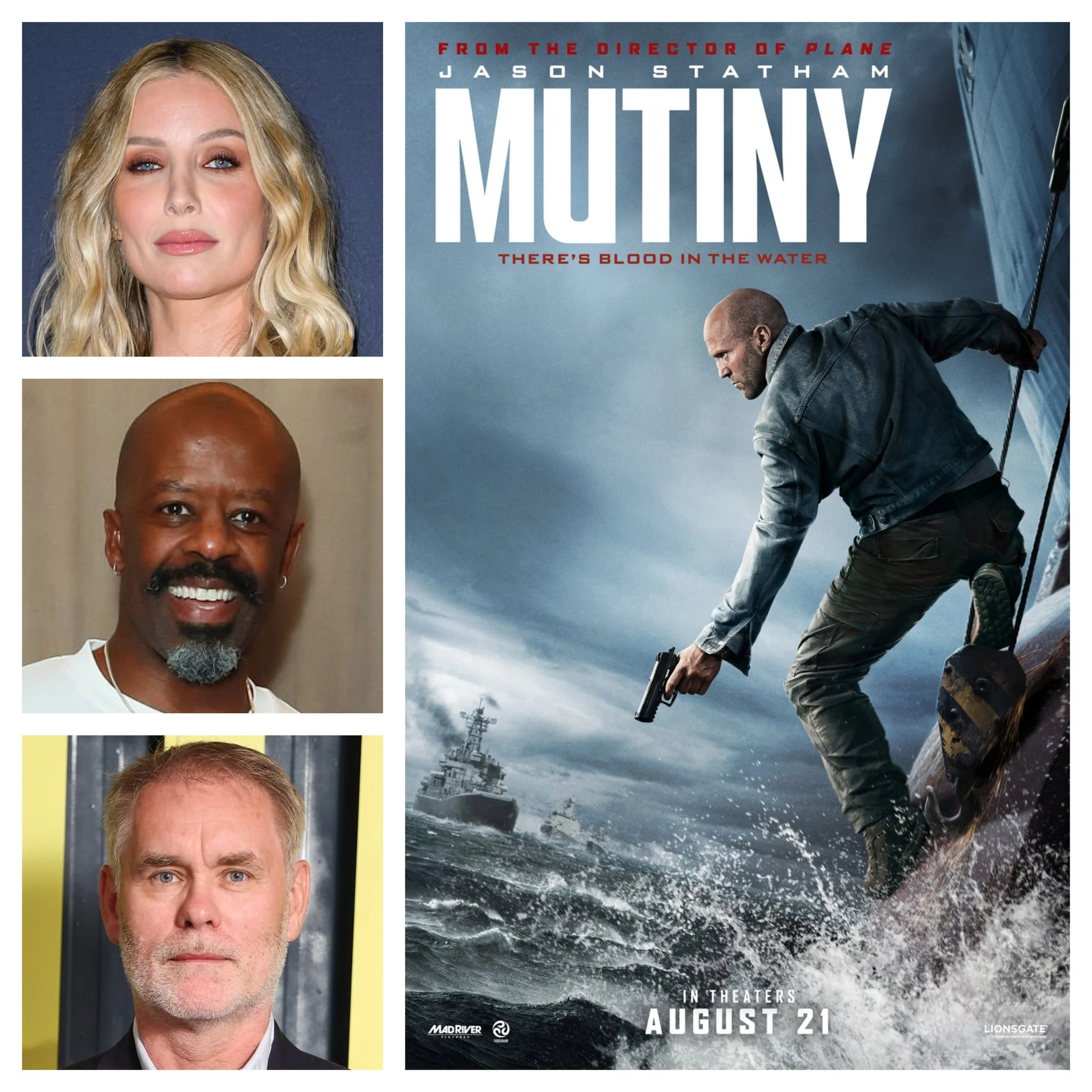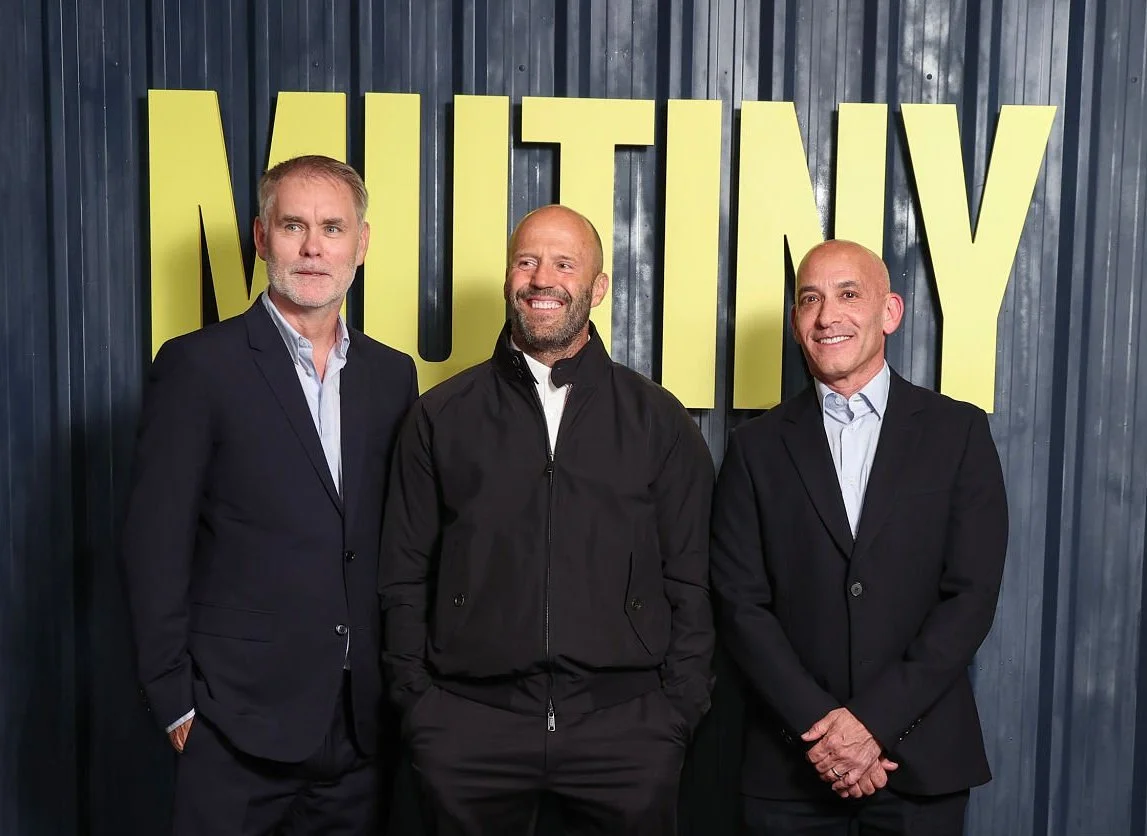
Exclusive: Annabelle Wallis, Adrian Lester & director Jean-François Richet talk action thriller ‘Mutiny’
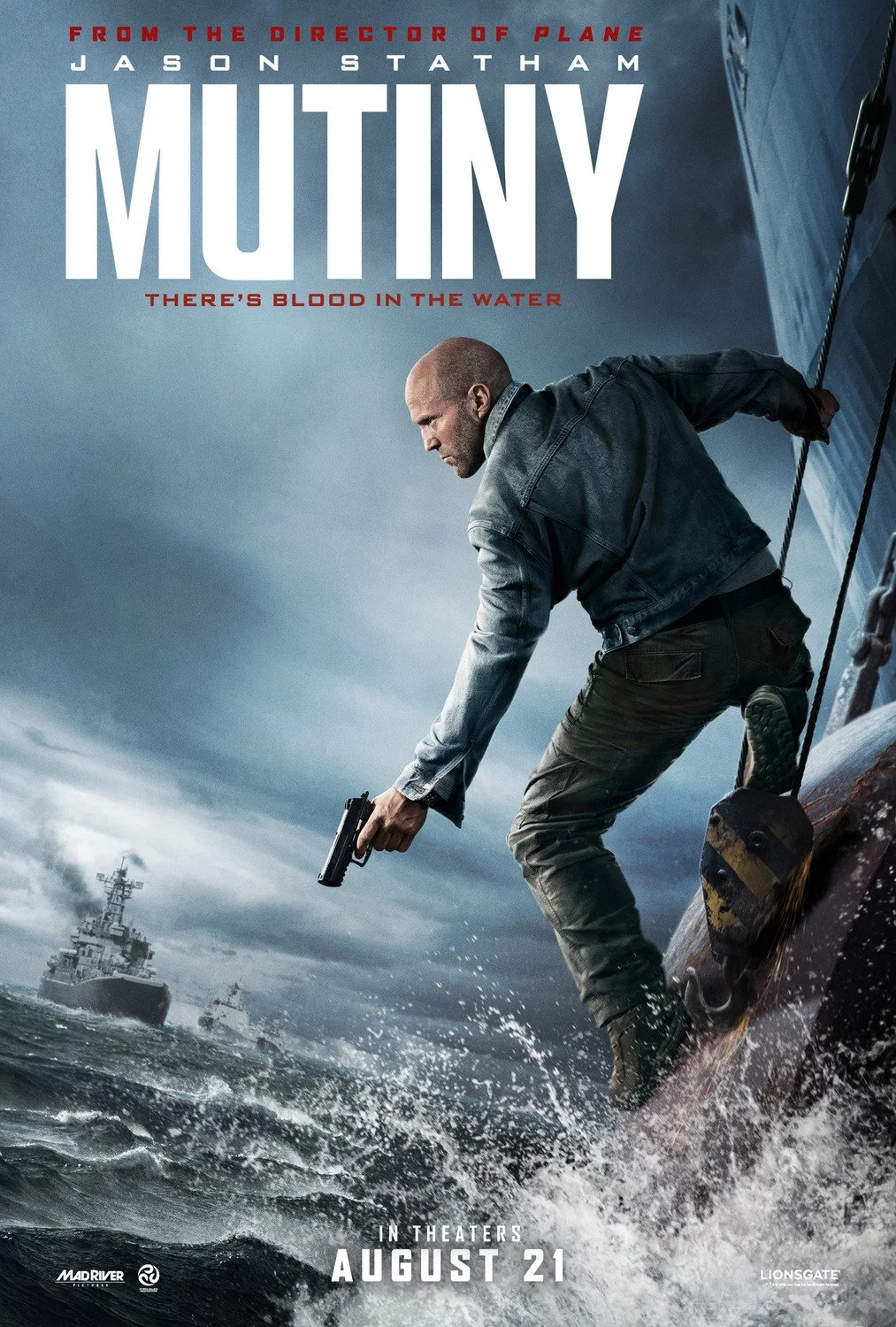
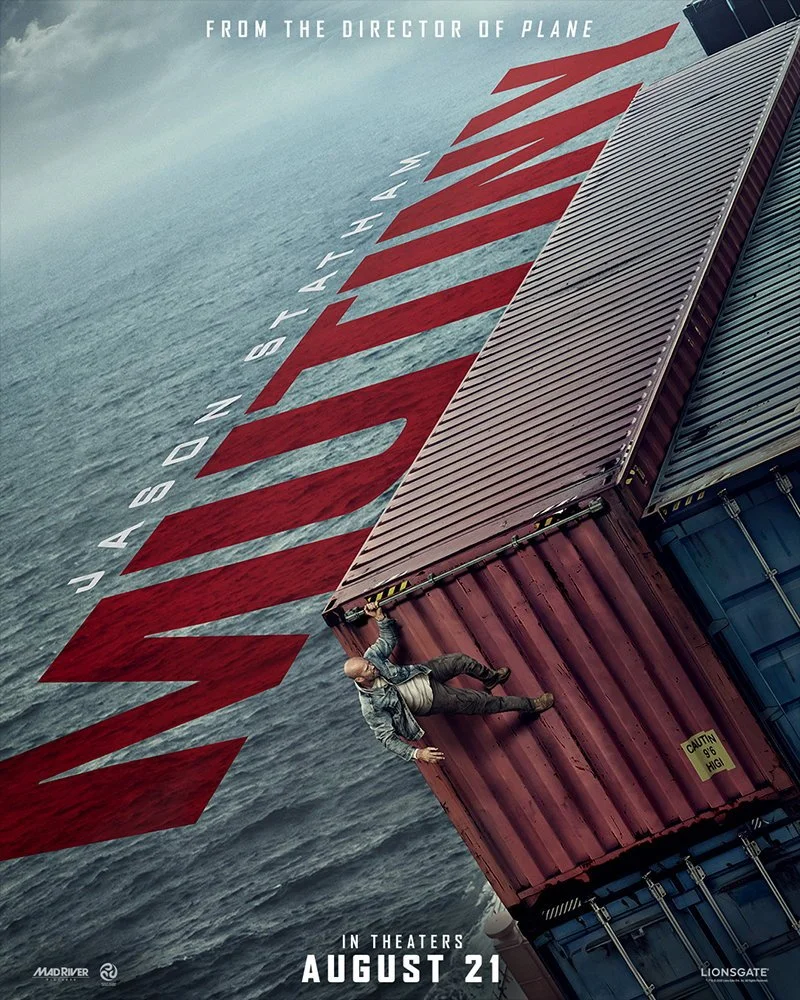
Hitting theaters on August 21st from Lionsgate is the action thriller Mutiny, directed by Jean-François Richet and starring Jason Statham, with Annabelle Wallis, Jason Wong, Roland Møller, Arnas Fedaravicius, Adrian Lester.
Cole Reed (starring Jason Statham) was in the Special Forces and served as a New York police officer in a former life. Now working private security, Reed is framed for murdering his Thai billionaire friend, Tibu, and he comes across an international conspiracy in his search for the true killer.
The screenplay is written by J.P. Davis & Lindsay Michel. Produced by Jason Statham & Marc Butan.
Wallis is best known for starring in hit horror franchise Annabelle and for playing Grace Shelby in BBC-Netflix smash series Peaky Blinders. She appeared in the Amazon/MGM feature Mercy opposite Chris Pratt and Rebecca Ferguson for director Timur Bekmambetov, and can be seen in the Netflix Italy movie Vanished Into the Night.
Lester has appeared in Disney+’s Renegade Nell, Netflix’s The Sandman, and Mary Queen of Scots opposite Saoirse Ronan and Margot Robbie
Richet previously directed films such as Ma 6-T va crack-er, De l'amour, Assault on Precinct 13 (the 2005 remake), Mesrine: Killer Instinct, Mesrine: Public Enemy No. 1, One Wild Moment, Blood Father, The Emperor of Paris, and Plane.
Blackfilmandtv.com's Wilson Morales spoke to Mutiny director Jean-François Richet and cast members Annabelle Wallis and Adrian Lester on working on the film and with Jason Statham.
When working on a Jason Statham film, his fans usually expect a certain level of action. Did you want to do anything different?
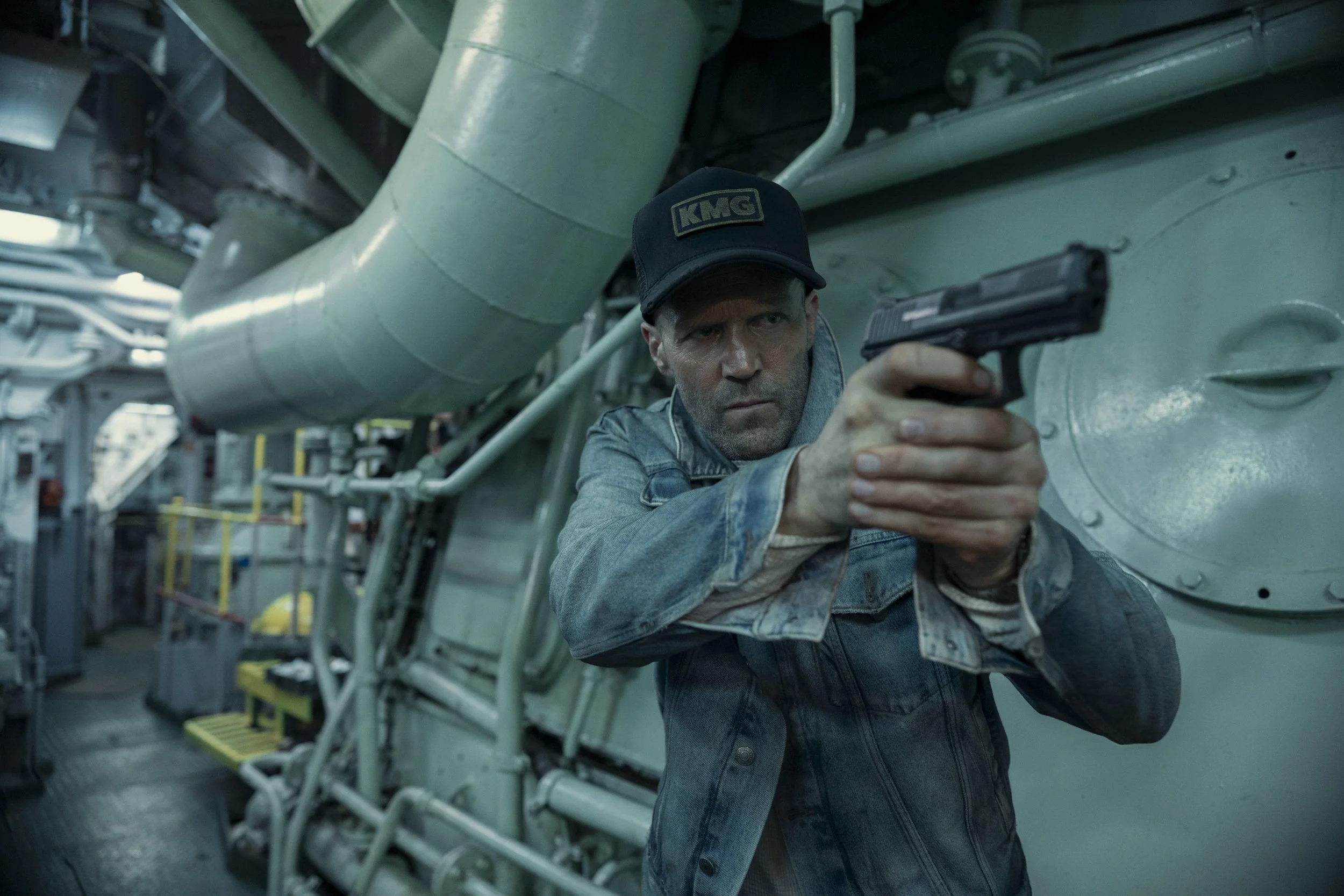
Jean-François Richet: I think Jason is a perfect working-class hero, and that’s how I approached the character. I wouldn’t say I filmed the action in a completely realistic way, because there is a lot of choreography and Jason is incredibly good at that. But I wanted the action and the violence to feel credible, rough and brutal.Even when it is choreographed, I wanted to show that violence is not a game, and that it is not always fun.
Having Annabelle's character not be a kick-ass sidekick to Jason's character, but a woman doing her job with a kid to go home to, was that intentional and part of the script?
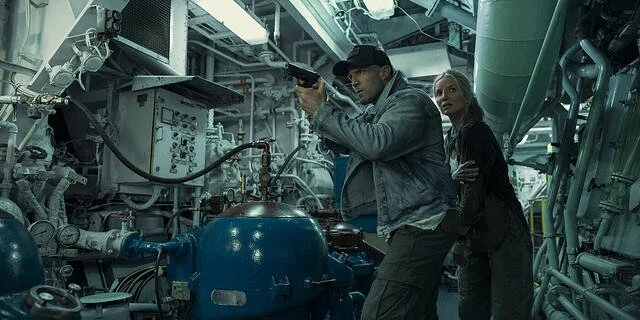
Jean-François Richet: Yes. I was involved with the producer in developing the script, and that was always part of the idea. I try to make my films credible. Cole Reed has fighting skills. She doesn’t. So she has to survive in her own way. But she has one advantage over him: she knows the ship perfectly. Sometimes she can lead because of that. That interested me a lot. And she is also a working-class character. When I look at my films, I realize most of my characters come from the working class.
You're no stranger to doing action thrillers, so is there anything you learned after Plane that you brought to this film
Jean-François Richet: I think every film teaches you something for the next one. I couldn’t say exactly what I brought from Plane to Mutiny, but there are similarities. On Plane, I was already working in confined spaces, especially inside the aircraft, but I also had the open space of the jungle. On Mutiny, almost everything is confined inside the ship. Also, I worked again with many people from Plane, like Marc Butan and Brendan Galvin, my DP. When you already know each other, you work faster and you waste less time.
How was working with Jason as an actor and producer?
Jean-François Richet: It was ideal. I don’t really separate Jason the actor from Jason the producer. He was always there when we had problems, and problems are normal when you make a film. We had already talked a lot before shooting, so we had the same vision of the movie. The producer has the same standards as the actor, and the actor has the same standards as the producer. When I talk to Jason, I talk to Jason. I don’t think about which hat he is wearing.
How much of a character is the ship?
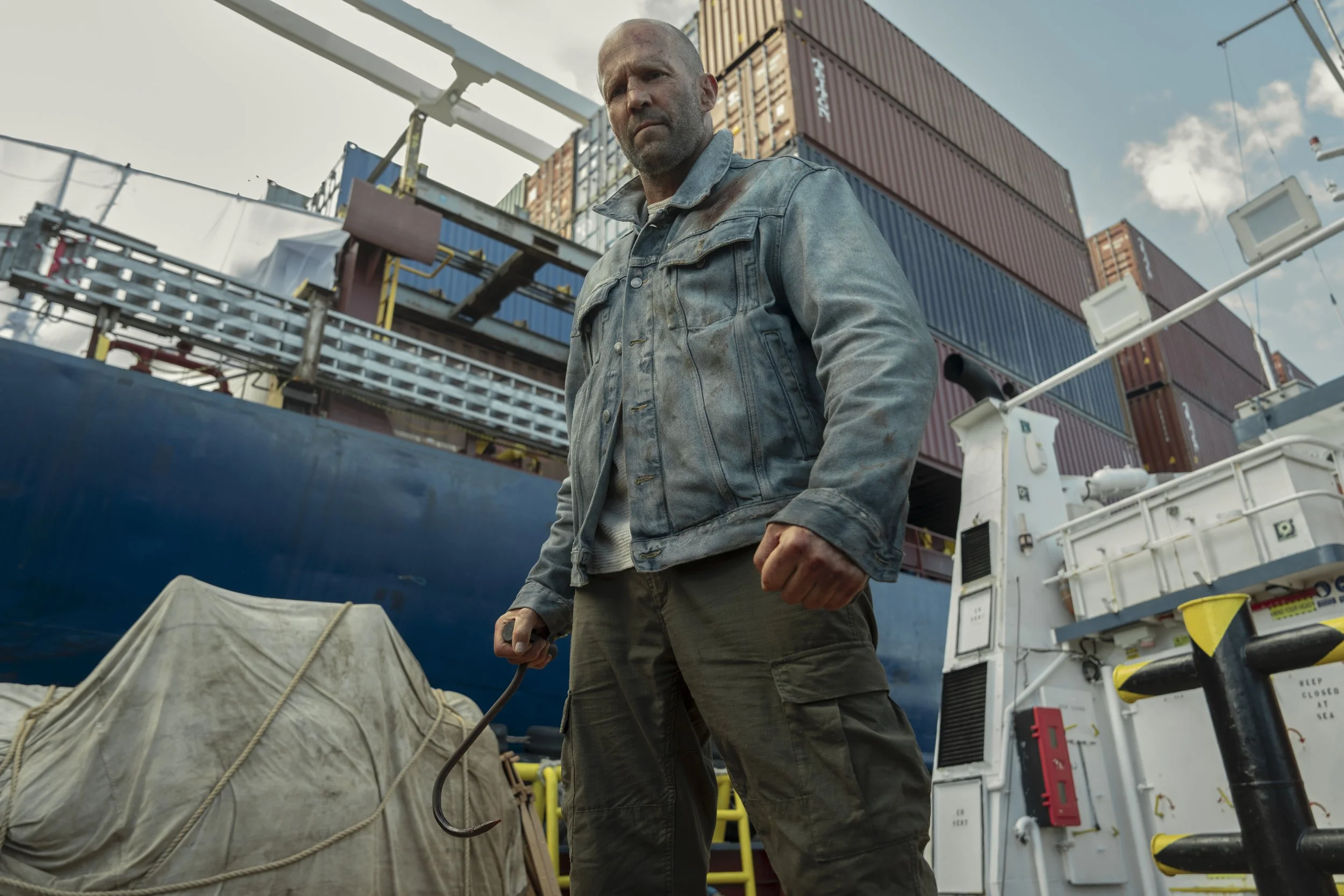
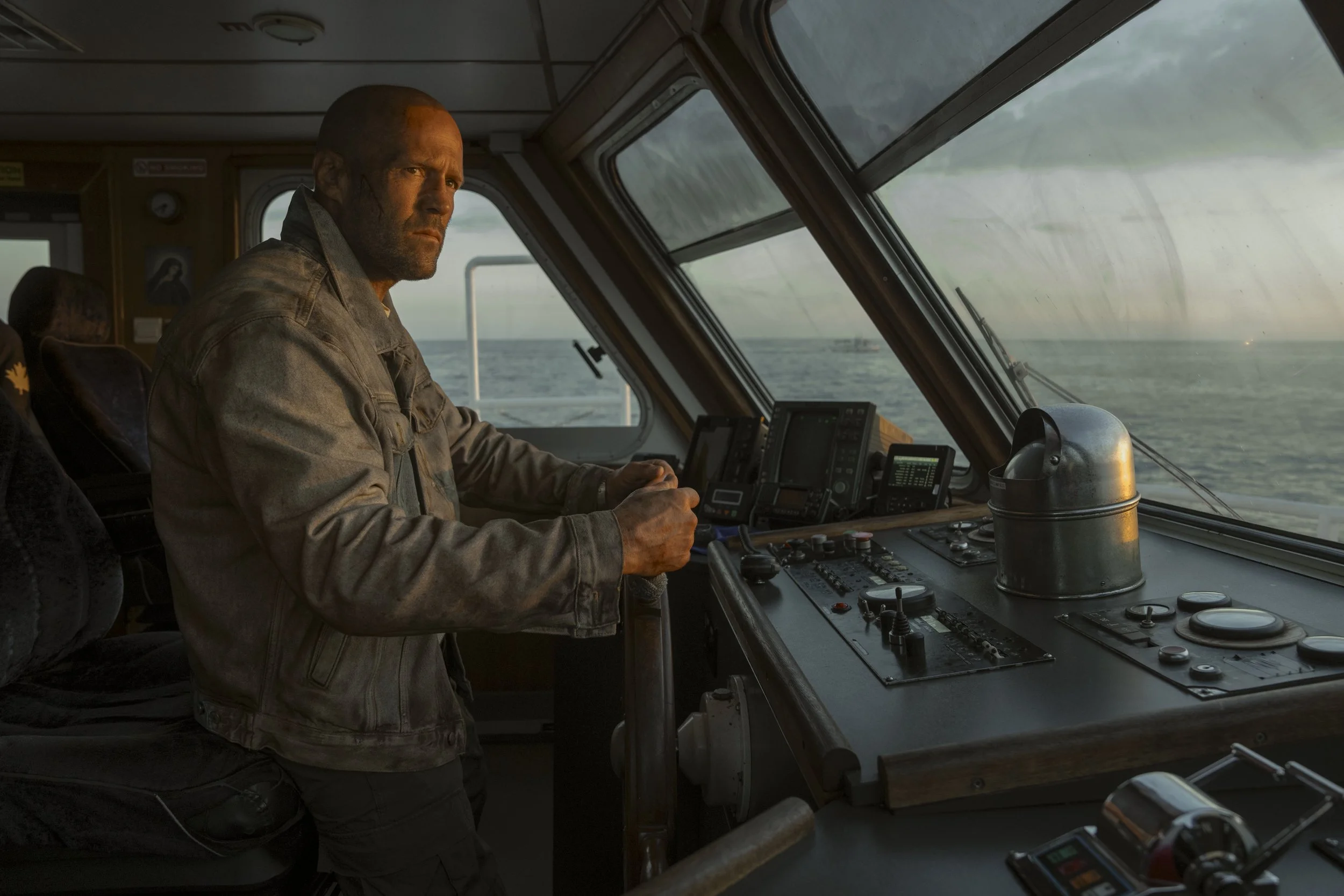
Jean-François Richet: The ship is extremely important. I had to adapt my directing to the architecture of the ship. A different ship would have created a different film. We are inside it all the time. You see the rust, you see that the ship is tired, and sometimes you can almost feel the heat and the humidity. I refused to shoot it in a studio with green screens. When the actors are sweating in the engine room, it’s real sweat. That physical environment changes the way they move and the way they act. So yes, in that sense, the ship is almost a character.
What goes into saying yes to doing these projects, genre or any film?
Jean-François Richet: First, I have to be available. Then, of course, the script has to be good, and I need to see how I can make it my own. Then it’s also about the people: the producer, the actors, the studio, and how much artistic freedom I can have. So it’s really a combination of many things. With Lionsgate, I feel a little bit at home. We did Blood Father together, then Plane, which worked very well.